


When patients choose your health system, they aren’t thinking about which department owns scheduling, which vendor handles billing, or why their information doesn’t follow them from one interaction to the next. They just want the experience to work.
That expectation was at the heart of our session at the SHSMD26 Connections Conference, where Praia Health’s Doug Grapski and Scott North joined Denise Stark of Pixel Health to discuss what it takes to deliver one connected experience for patients. The room was full of healthcare strategy, marketing, and growth leaders responsible for how patients find, choose, and decide to stay with a health system.
We opened with a simple question: Every mature industry can articulate its consumer strategy. Can healthcare?
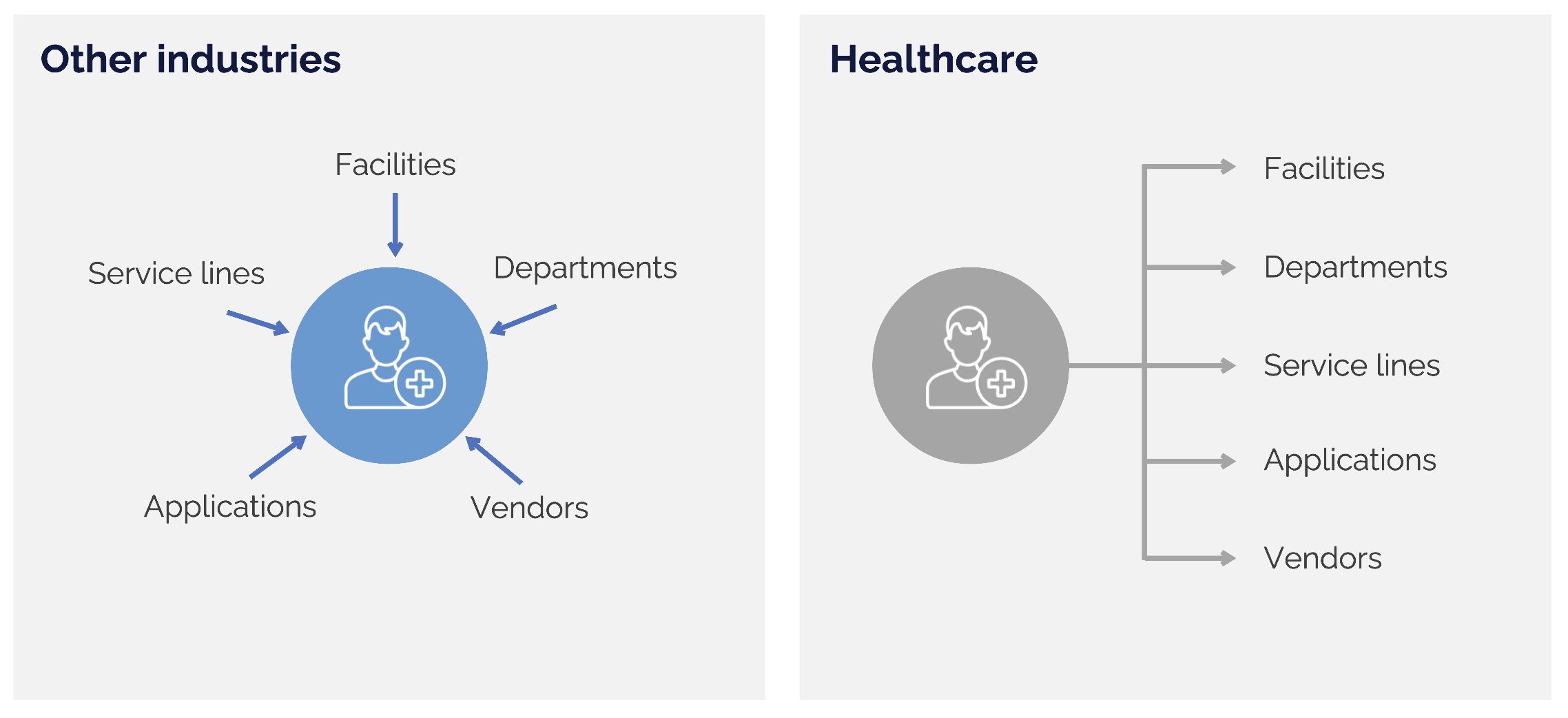
Retail remembers you and anticipates what you need. Banks give you one relationship across dozens of products. Hotels deliver consistency across properties, and airlines guide you through complex journeys. Consumers carry those expectations into healthcare, where they instead often find disconnected departments, applications, logins, and vendors.
In other industries, the organization connects its facilities, departments, and vendors around the customer. In healthcare, patients are often left to navigate each one on their own.
What the Room Told Us
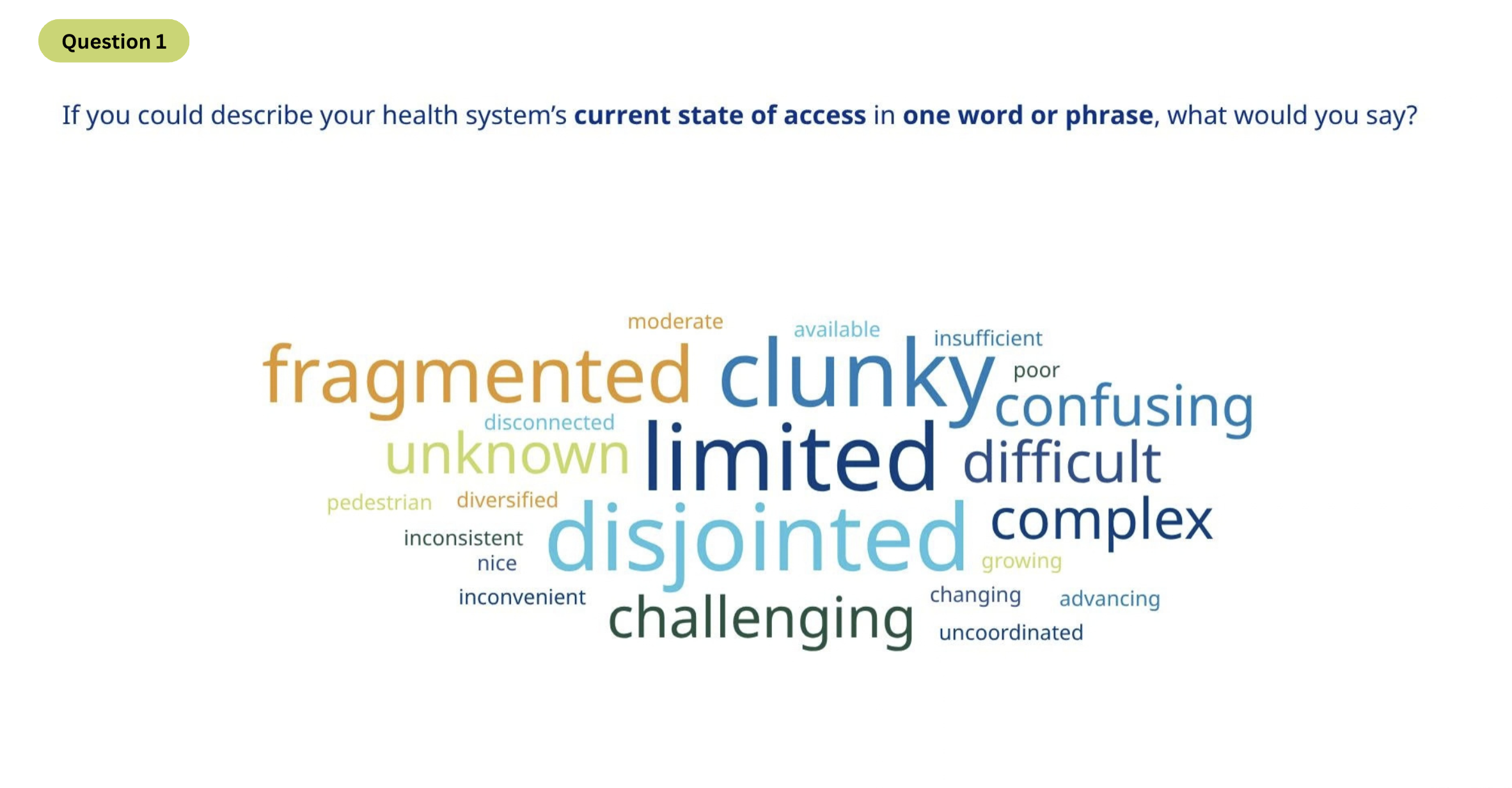
We asked attendees to describe their health system’s current state of access in one word or phrase. The answers were candid: “clunky,” “disjointed,” and “limited” tied for first with four mentions each, while only a few of the 39 responses pointed to progress.
Then we asked which internal choices had contributed most to those challenges. Two answers led the field:
- “We tried to modernize without aligning internally first.” (28%)
- “We optimized for internal workflows, not patient journeys.” (26%)
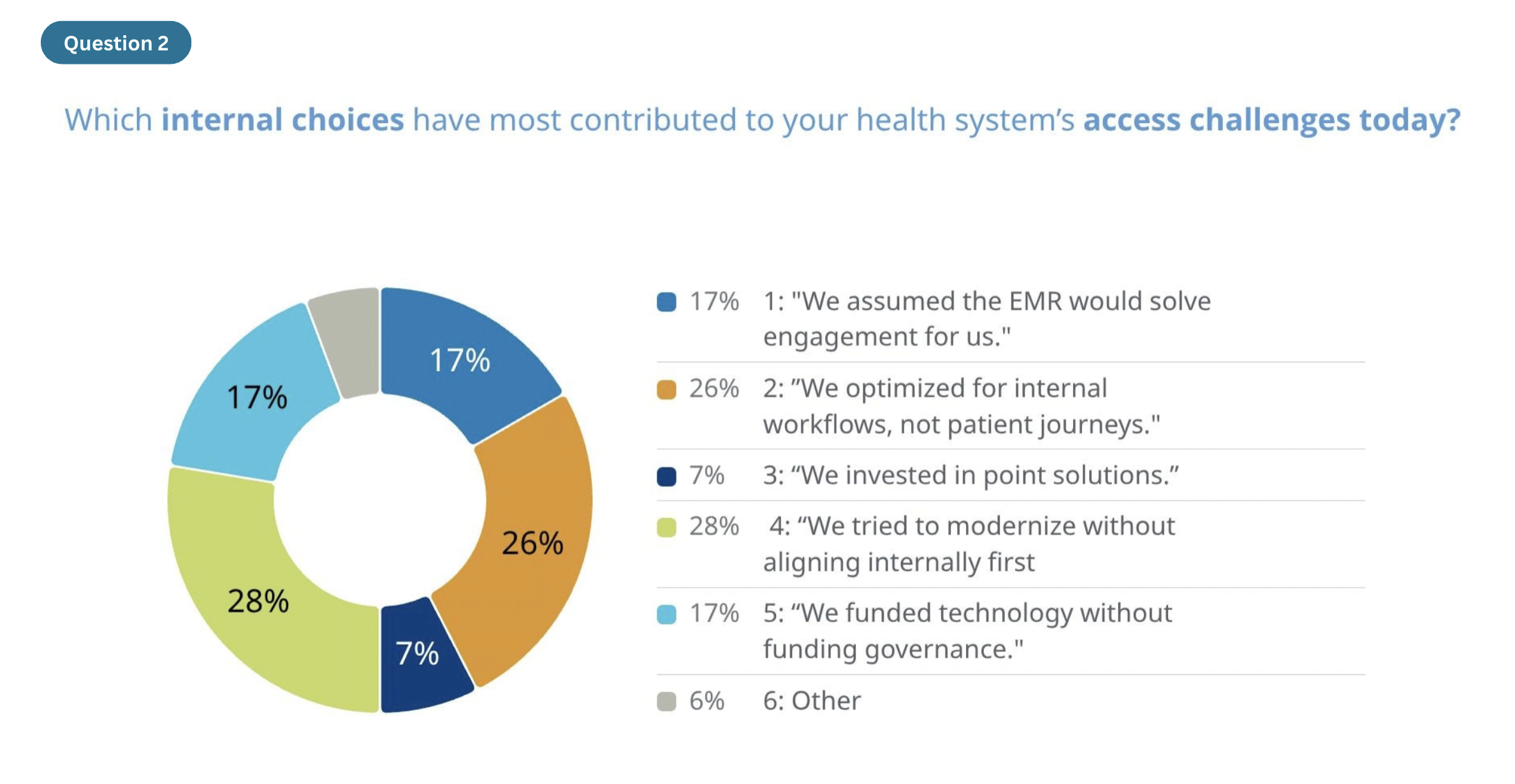
So can healthcare articulate its consumer strategy? Not yet, according to the room. Those two answers alone accounted for more than half of responses (54%), and they point to two challenges health systems can begin addressing now: agreeing on the experience they want to create and organizing their work around how patients actually seek care.
Align First, Then Add Technology
When teams have different ideas about what a better patient experience looks like, even well-intended investments can pull the organization in different directions. Marketing may focus on attracting patients, operations on managing demand, and IT on connecting systems. A shared consumer strategy gives those efforts a common purpose.
Start with a fundamental question: What kind of relationship are we trying to build with our patients? Think beyond the next appointment to how your health system can stay useful and connected between care encounters.
Then make that vision actionable: bring the teams responsible for delivering the experience together to agree on priorities, establish a shared roadmap, assign clear ownership, and decide how progress will be measured.
Design Around the Journey Patients Actually Take
A process can work well for an internal department while leaving a patient wondering who to call or what to do next. That’s why improving the experience requires looking beyond the steps any one team owns.
Choose a journey patients find frustrating today, such as completing a referral. Walk through it from their perspective, across every department and channel involved. Does the patient know the referral was received? Is the next step clear? Can they move from a notification to scheduling without another login or having to repeat information?
Bring the responsible teams together to identify where the experience breaks down, redesign those handoffs, and agree on what success looks like. With that direction set, the next step is getting the tools and services behind the journey to work together.
This is where an orchestration layer comes in. It works alongside the EMR patient portal and existing digital tools, connecting identity, data, and services so each interaction leads naturally to the next. A patient can receive personalized guidance, reach the right service, and take action without leaving a consistent, branded experience.
Health systems can put the journey they’ve designed into practice while building on the technology they already own.
Let the First Journey Pave the Way
That first journey establishes a foundation your health system can use again. With connected identity, single sign-on, and personalization in place, adding another service or journey becomes easier.
The same foundation can support lab scheduling, bill payment, care gap closures, and more. Each addition gives patients another reason to engage with your health system, while shared capabilities reduce the need to recreate connections for every new initiative.
That’s how one focused improvement grows into a unified consumer experience: a shared strategy guides the work, teams design around patient needs, and orchestration keeps the experience consistent as it expands.
Praia Health provides the patient experience orchestration platform to support that progression. By connecting the EMR patient portal, digital tools, and partner services in one branded experience, Praia helps health systems start with a priority journey and build toward continuity across every touchpoint. For patients, the result is what they expected from the start: one relationship with a health system that knows them and makes the next step easier.
If your team is working through these challenges, we’d be glad to show you what orchestration could look like for your health system. Click here to request a demo.